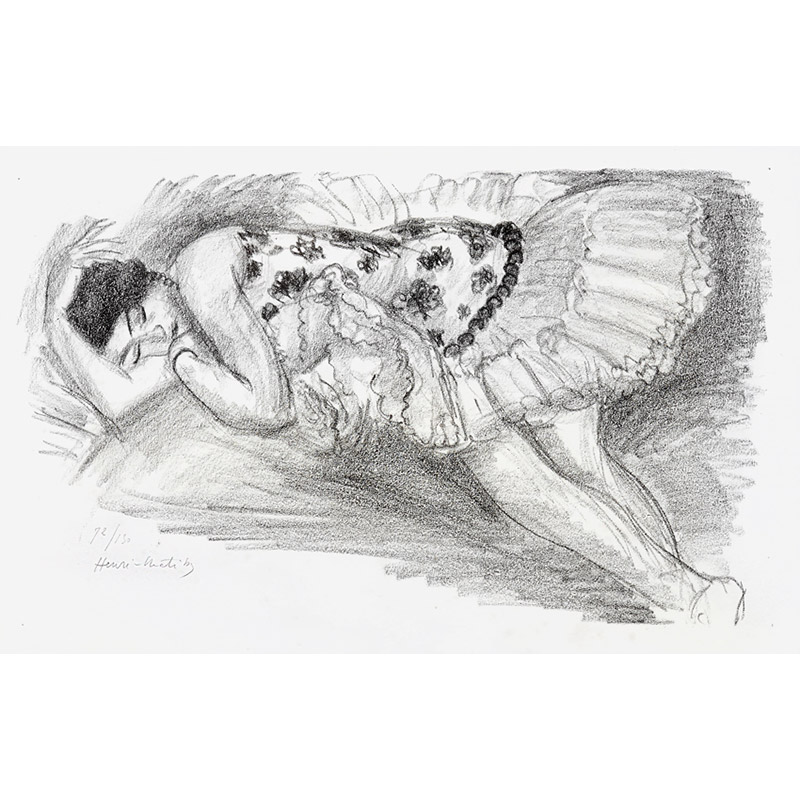
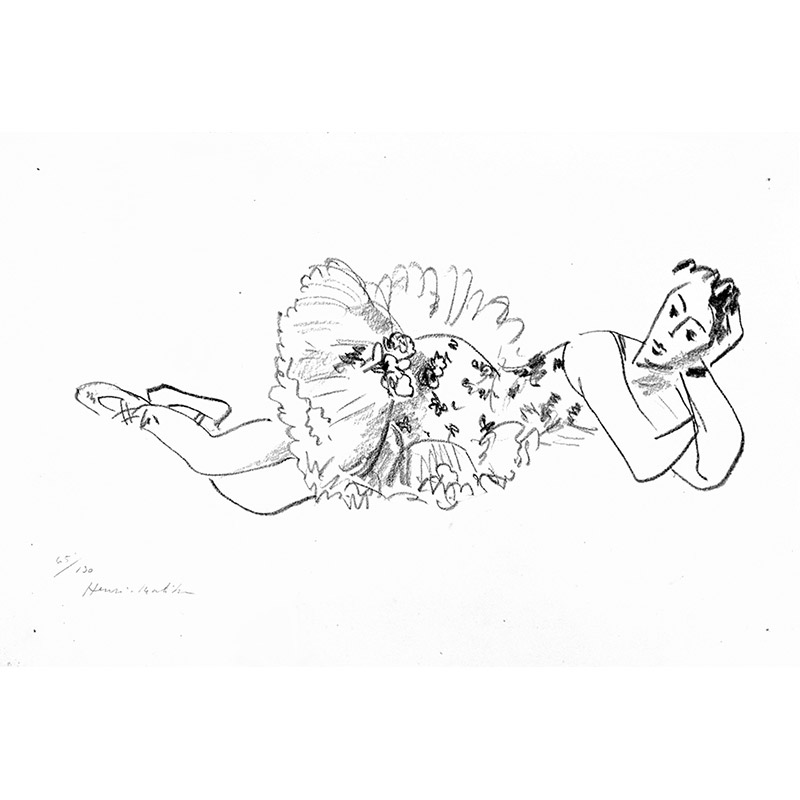
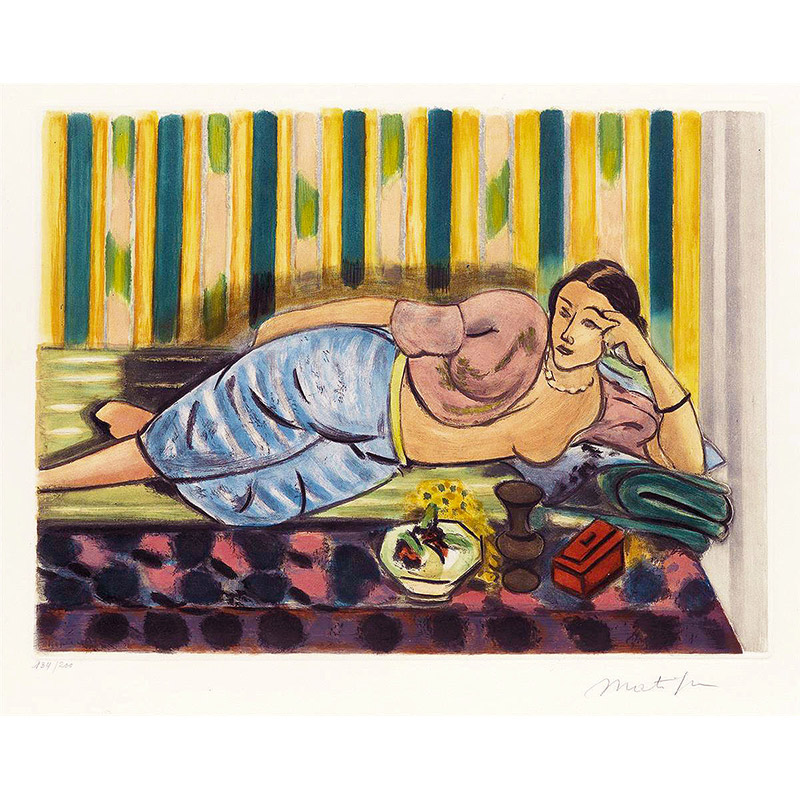
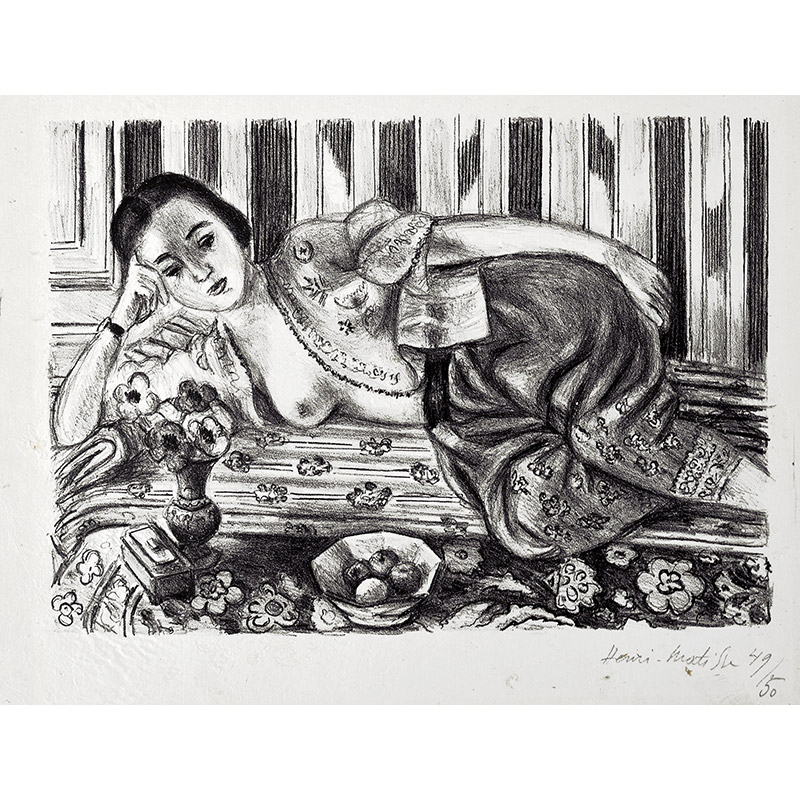
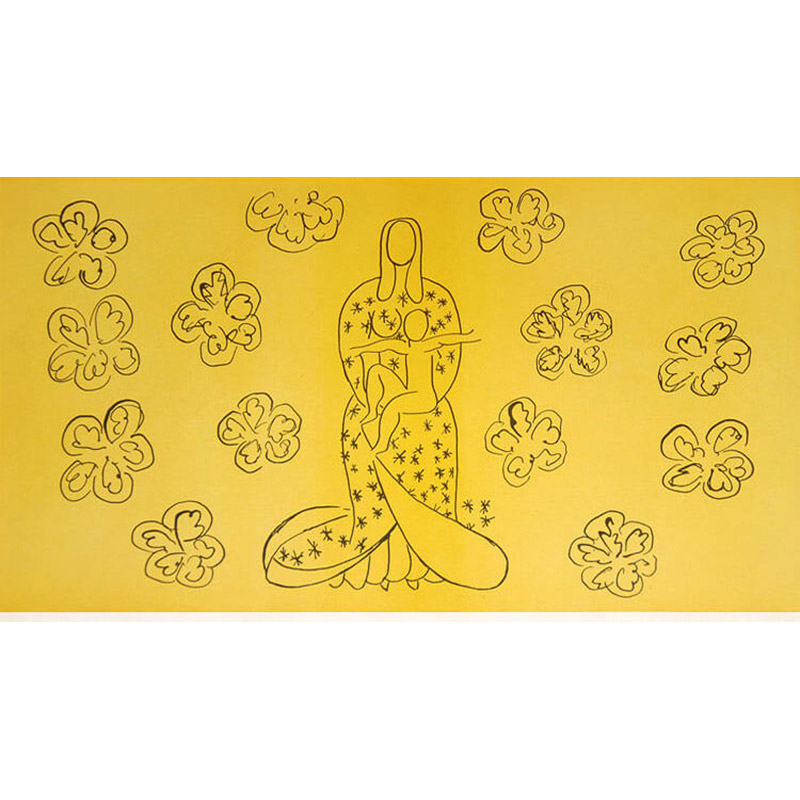
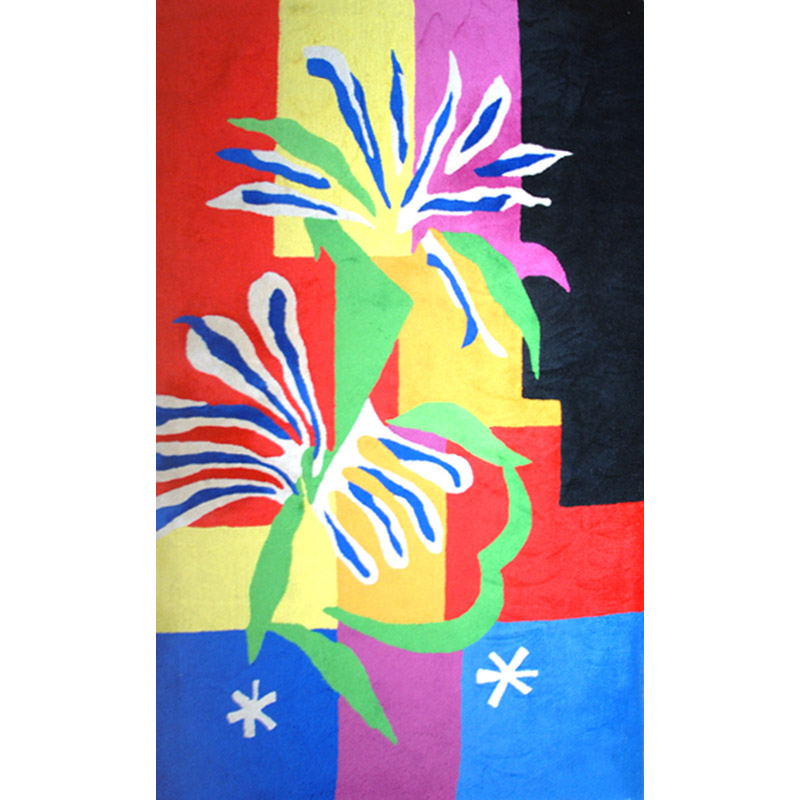
If you are trying to determine whether a Henri Matisse print or lithograph is original, the first step is identifying the exact documented work—not simply checking for a signature or edition number.
Matisse created original lithographs, etchings, drypoints, linocuts, aquatints and other graphic works. He also produced illustrated books and works that were issued in signed, unsigned and proof editions. At the same time, many posters, book reproductions and later decorative prints using Matisse imagery circulate in the market.
An original Henri Matisse print should correspond with known information about the specific work, including its printing technique, paper, dimensions, signature or numbering, edition structure and catalogue raisonné reference.
Original Henri Matisse Print vs. Reproduction
An original Matisse print was created as a work of graphic art using a printmaking technique such as lithography, etching, drypoint or linocut.
A reproduction instead reproduces an existing Matisse image through another printing process.
The distinction can significantly affect both identification and market value.
A work should not be considered original solely because it carries Matisse’s name, a signature, an edition number or a certificate. The physical artwork should correspond with the known specifications for the documented edition.
Check the Duthuit Catalogue Raisonné
A Duthuit catalogue raisonné reference is one of the most useful tools for identifying Henri Matisse graphic works.
Major auction houses routinely cite Duthuit numbers when cataloguing Matisse prints. A catalogue entry can help document details such as:
- Title
- Date
- Printing technique
- Dimensions
- Edition size
- Paper
- Proof structure
- Signature or numbering information
For example, Christie’s identifies Le repos du modèle as Duthuit 416 and records the paper, state, signature, proof count, edition and condition.
A Duthuit number helps identify a documented work, but the catalogue number by itself does not authenticate the physical print. The artwork should still match the recorded specifications.
Check the Signature
Many Henri Matisse prints were hand-signed in pencil, but not every authentic Matisse print is signed.
Depending on the edition, a genuine work may be:
- Hand-signed in pencil
- Initialed or stamped
- Numbered
- Issued unsigned
- Marked as an Artist’s Proof
- Marked E.A., H.C. or with another proof designation
A hand signature should also be distinguished from a printed, plate or facsimile signature.
Auction records demonstrate that documented Matisse editions may contain both signed and unsigned impressions. Christie’s, for example, records one Matisse lithograph as having signed proofs in one state and hundreds of unsigned impressions in another.
A signature alone therefore does not establish that a print is original.
Check the Edition Number and Proof Designation
Edition information can help identify exactly which version of a Matisse print you own.
Look for:
- Numbered editions such as 36/150
- Artist’s Proofs
- E.A. impressions
- H.C. impressions
- State proofs
- Printer’s proofs
- Publisher’s proofs
It is important to distinguish an edition number from a Duthuit catalogue number.
An inscription such as 36/150 identifies a particular impression within an edition, while a Duthuit number identifies the documented graphic work itself.
Phillips, for example, records Matisse’s Danseuse au fauteuil en bois as signed and numbered 36/150, while separately listing Duthuit 483 as the catalogue reference.
Check the Paper, Dimensions and Margins
Original Matisse prints were frequently produced on documented papers and within specific image and sheet dimensions.
When researching a print, compare:
- Sheet dimensions
- Image dimensions
- Paper type
- Watermarks, when documented
- Margins
- Printing technique
These details can help distinguish one edition or state from another.
Paper can be particularly important. Current museum and auction records identify Matisse lithographs on papers such as Chine, Japon, Arches and BFK Rives, often together with exact image and sheet dimensions.
Trimming can complicate identification because original margins, numbering or other identifying characteristics may have been removed.
Signed vs. Unsigned Henri Matisse Prints
An unsigned Henri Matisse can still be an original print.
Matisse created graphic works for illustrated books, portfolios and publications that were not always individually hand-signed. Some documented editions also contain both signed and unsigned impressions.
That is why an unsigned print should be evaluated using the complete artwork—including technique, paper, dimensions, edition information and catalogue reference—rather than dismissed solely because it lacks a pencil signature.
The market for signed and unsigned impressions can be very different, however, so correctly identifying how a work was issued is important when determining value.
Is My Matisse Lithograph an Original or a Poster?
A lithograph and a reproduction are not the same thing.
A genuine original Matisse lithograph was created through the lithographic process as part of a documented graphic work or publication. Posters and later decorative reproductions may use the same or similar imagery but can occupy a very different market.
Some publication-related Matisse works can also be unsigned yet still be original lithographs, which is why appearance alone is not sufficient.
To identify the work, compare its:
- Printing technique
- Paper
- Dimensions
- Edition or proof information
- Signature type
- Publisher
- Duthuit reference
- Provenance
What About Matisse’s Jazz?
Jazz is an especially important case because the project exists in documented editions and individual plates are frequently encountered outside complete sets.
Bonhams, for example, records La Nageuse dans l’Aquarium from Jazz as a pochoir on Arches paper from the book edition of 250, while also noting a separate edition of 100 without the fold.
That means details such as paper, folds, edition structure, completeness and provenance can be important when identifying and valuing an individual Jazz work.
Why Provenance Matters
Provenance is the documented ownership history of an artwork.
Useful provenance may include:
- Gallery invoices
- Auction records
- Collection labels
- Exhibition history
- Estate documentation
- Publisher information
- Previous cataloguing information
- Prior appraisals
Provenance does not replace examination of the artwork itself, but it can support the identity, history and marketability of a Henri Matisse work.
What Should I Send to Identify My Henri Matisse?
If you are unsure whether your Matisse is an original print, lithograph, book illustration, poster or reproduction, send us:
- A clear photograph of the front
- A photograph of the reverse
- Close-ups of the signature
- Edition number or proof designation
- Sheet dimensions
- Any stamps or labels
- Gallery or auction documentation
- Duthuit reference, if known
- Any known provenance
Clear photographs are often enough for us to begin researching the artwork and determining the next appropriate step.
Frequently Asked Questions About Original Henri Matisse Prints
How can I tell if my Henri Matisse lithograph is original?
Start by identifying the specific documented work. Compare the printing technique, paper, dimensions, signature, edition information and Duthuit catalogue reference with known examples. No single characteristic, including a signature, should be relied upon by itself.
Does an original Henri Matisse print have to be signed?
No. Many Matisse prints were signed and numbered, but documented unsigned impressions and publication works also exist. The absence of a signature does not automatically mean a work is a reproduction.
What does a Duthuit number mean?
A Duthuit number is a catalogue raisonné reference used to identify a documented Henri Matisse graphic work. It can help establish the title, technique, dimensions, edition structure and other information associated with the work.
Is a pencil signature enough to authenticate a Matisse?
No. A signature is only one identifying characteristic. The paper, dimensions, printing technique, edition, catalogue information and provenance should also correspond with the documented work.
Have a Henri Matisse You Want Identified or Valued?
If you own a Henri Matisse lithograph, etching, print, drawing, portfolio or other artwork, we can help identify the specific work, review relevant catalogue information and evaluate its current market.
If the artwork is a work we are actively seeking, we may also make a confidential direct purchase offer.